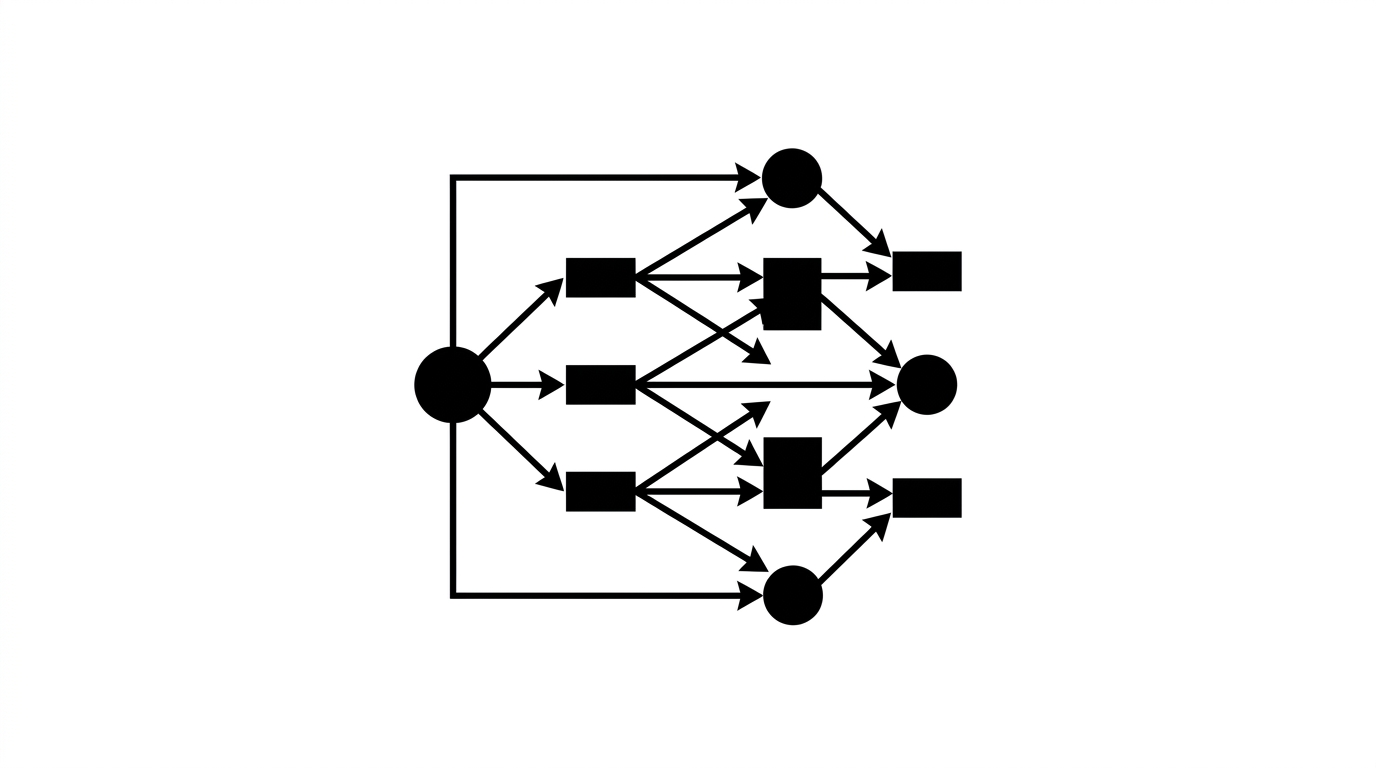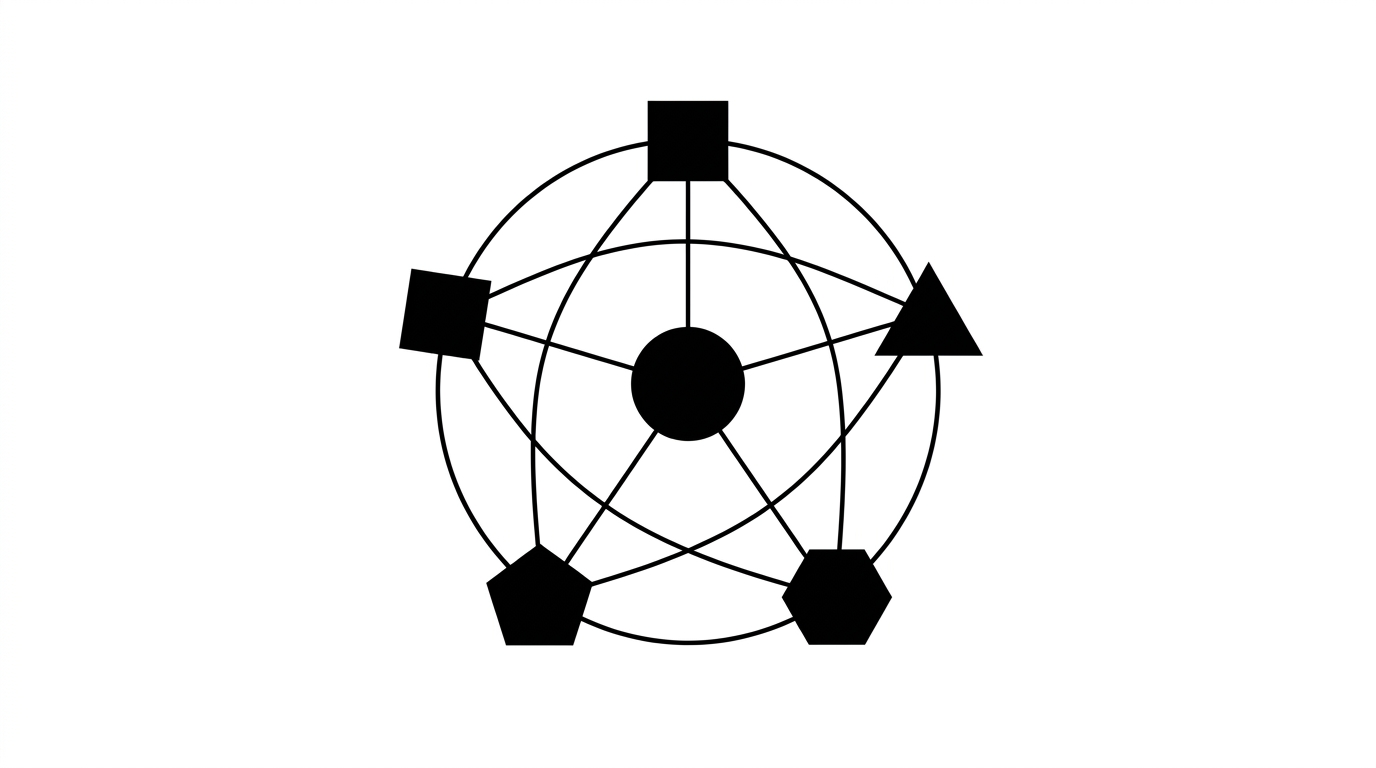

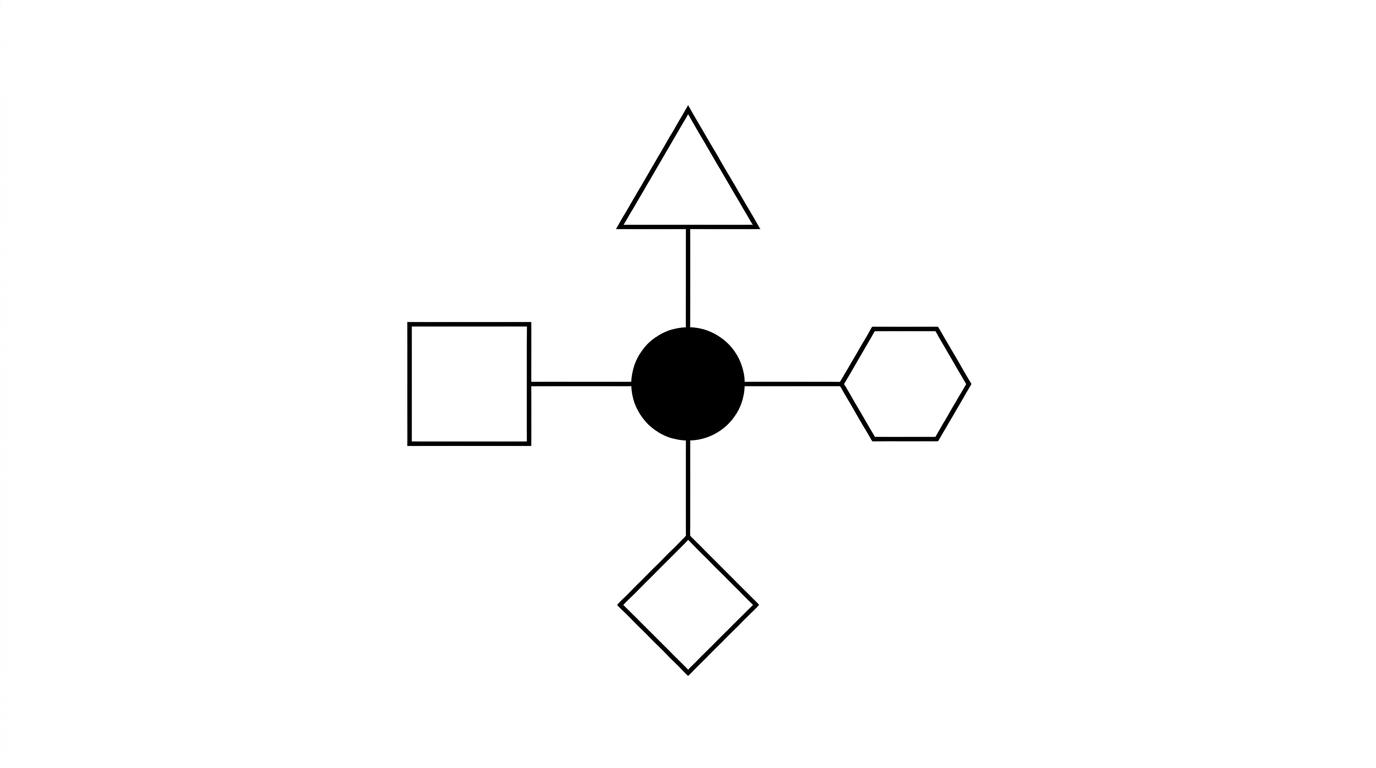
No matter how brilliant a foundation model is, it remains a "brain in a jar" when standing alone. Real-world autonomous execution does not come from benchmark scores. It comes from the Harness: the runtime scaffolding that equips the model with hands (Tools), a safe workshop (Sandbox), durable memory (Session), and task coordination (Orchestration).
Whenever a new frontier AI model drops, social media floods with benchmarks comparing whether Claude, GPT, or Gemini scored two percent higher on an abstract math test. Yet when people try applying these models to daily workplace problems, they often hit the exact same frustration: the model talks eloquently, but cannot autonomously carry a real task across the finish line.
The explanation is straightforward: a foundation model is essentially a mathematical function predicting the next token. It has no physical hands to edit local files, no computer environment to test run its own code, and it forgets everything the moment you close your browser tab.
To transform a passive model into an autonomous agent that actually delivers, AI engineering relies on a universal formula:
Anthropic recently published the official architectural blueprint for Claude Managed Agents, designed to solve what they describe as "the scaffolding nightmare." In this architecture, the central execution engine, the Harness, is anchored by four decoupled pillars:
          [ Tools + Resources / MCP ]
          (Eyes, hands & live data)
                     │
                     ▼
  [ Session ] ◄──► [ Harness ] ◄──► [ Sandbox ]
(Durable event    (Central execution   (Isolated runtime
 log & state)        loop controller)    container >_)
                     ▲
                     │
             [ Orchestration ]
           (Task routing & rules)
These four pillars provide exactly what a naked model lacks:
- Tools (+ Resources / MCP): The agent's eyes and hands. Through the Model Context Protocol (MCP), the model can read local project files, query external databases, and browse live web documentation.
- Sandbox (
>_): An isolated terminal environment. When the agent writes code or modifies configurations, it tests them inside this sandbox. If an error occurs, it inspects the terminal output and fixes the bug itself before presenting the final result. - Session: Anthropic's critical design choice was decoupling session storage from ephemeral computing containers. Every prompt, decision, and tool result is preserved in an append-only event log. Even if your internet connection drops or a container restarts, the agent never loses its state and picks up right where it left off.
- Orchestration: The management layer that breaks large objectives into sequential steps, delegates subtasks to specialized subagents, and audits output against clear evaluation rubrics.
When I run Claude Code or Antigravity in my terminal every day, the magic does not come from the model knowing everything upfront. The magic comes from the harness: the AI creates files, runs linters, attaches cover images, and deploys blog posts to Notion from a single brief instruction.
If you are exploring AI for your career or projects, here is the most practical advice: stop chasing every new model that launches each week. Spend your energy learning how to equip a model with solid tools, clean context, and a safe execution sandbox. With a reliable harness in place, almost any capable model can become an indispensable collaborator.
References & Further Reading
- Anthropic. (2025). Claude Managed Agents: Hosted Infrastructure for Autonomous Agents. Anthropic Documentation.
- Anthropic. (2024). Building Effective Agents. Anthropic Research.