
Most people use AI merely to draft text or summarize documents, so the value AI delivers often pales in comparison to its subscription cost. For business and operations professionals, the greatest leverage of AI lies in empowering you to build your own internal applications to resolve daily workflow bottlenecks - turning disconnected manual processes into complete automated tools to optimize both cost and time.
When working in an office, it is all too easy to get buried under dense Excel spreadsheets and Word documents. Most enterprise software is rigid and cumbersome, leaving teams constantly trading files back and forth just to reconcile figures. The overwhelming feeling is frustration and deadlock. Yet many people assume that having a business or economics background means they cannot build software to improve these processes. That is why I wrote this article: to encourage you to dive deeper into your company's workflows and optimize them by becoming a Forward Deployed Engineer within your own organization.
What Is a Forward Deployed Engineer and What Do They Do?
A Forward Deployed Engineer (FDE) is a software engineer who works directly on-site with clients or embedded within their operational environment. They serve as the critical technical bridge between the software vendor and the businesses using the product. This role is especially prominent at leading technology corporations specializing in enterprise data and AI solutions, such as Palantir and OpenAI.
Key responsibilities of an FDE typically include:
• Coding & Customization: Writing code, building tailored features, integrating APIs, and embedding company software seamlessly into the client's existing infrastructure.
• Business Discovery: Sitting down directly with business stakeholders to identify operational bottlenecks, designing automated workflows, and constructing data analytics models tailored to unique organizational needs.
• Technical Consulting: Translating complex technological architectures and concepts into clear, actionable terms for managers and non-technical staff.
• Troubleshooting: Taking immediate ownership of diagnosing and fixing system issues whenever unexpected failures arise.
Maximizing AI's ROI in Your Work
With the assistance of AI, identifying where workflows are bottlenecked in your company becomes far easier. You can partner with internal teams to build lightweight software that solves these friction points once and for all.
- Identify the bottleneck: Pinpoint the exact step that consumes the most repetitive hours or causes frequent data discrepancies (such as cash flow reconciliation or invoice aggregation). If a process drains two hours every day from your team, that is where a custom tool delivers the highest possible ROI.
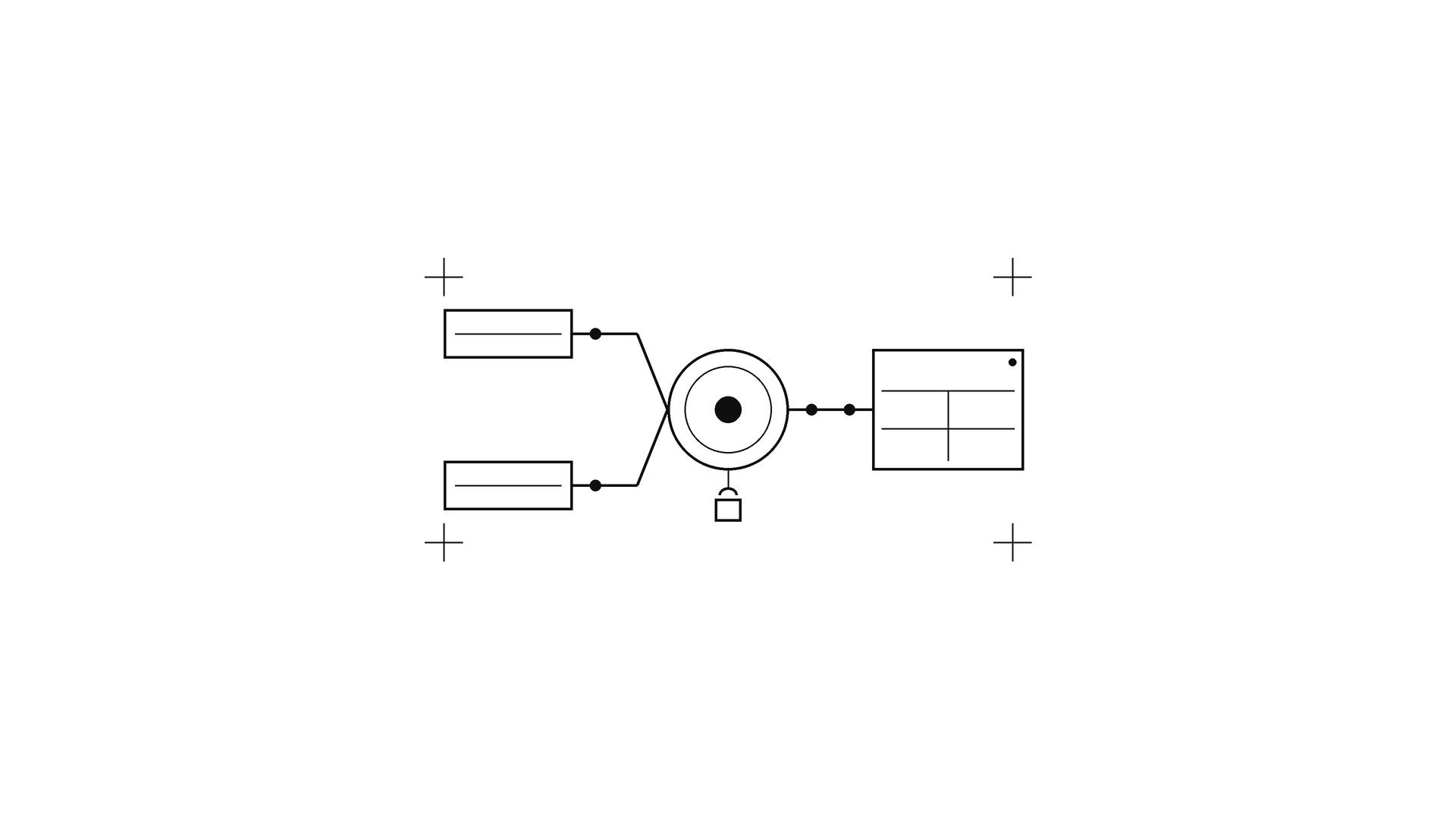
- Clearly define inputs and outputs: Map out where the raw data originates (accounting software, bank statements) and what information the dashboard or UI needs to display so users can interact with maximum ease.
- Leverage AI to bring the application to life: Instead of using AI just to chat or draft text, treat it as your pair programmer. Use it to write backend logic, connect fragmented data pipelines, and assemble a fully functional, working application.
[1. Identify Bottleneck] ──►   [2. Standardize Data]    ──► [3. Build with AI]
   (Eliminate manual toil)      (Raw inputs & Target outputs)   (Working internal app)
   => Save 2 hours/day           Automated synchronization       Secure, measurable ROI
A Real Experience: Building an Internal Finance Tool
Starting out as an FP&A analyst, I faced dozens of spreadsheets every morning to track and control cash flows. Instead of continuing manual data entry or waiting endlessly for IT department support, I decided to use AI to build an internal financial application. The result: dozens of hours saved each month on reconciliation, and manual errors were completely eliminated. I will share more technical details on this journey in future posts.
Real-World Practical Value
Equipping yourself with AI tool-building skills is not about pivoting careers into professional software engineering or trying to design flashy apps. What matters is shifting your mindset from a passive user - grudgingly enduring the limitations of off-the-shelf software - to a proactive problem solver who optimizes operations, time, and systems.
References
- Palantir Technologies (2020). Dev versus Delta: Demystifying Engineering Roles at Palantir. Palantir Blog. (The Forward Deployed Software Engineer model embedded directly on the front lines of business).
- Davenport, T. H. (1998). Putting the Enterprise into the Enterprise System. Harvard Business Review, 76(4), 121-131. (Seminal research on the friction between pre-packaged enterprise software and real-world operational workflows).
- Ferraiolo, D. F., & Kuhn, D. R. (1992). Role-Based Access Controls. 15th National Computer Security Conference / NIST. (Standards for data access authorization and enterprise security).
- Karpathy, A. (2025). Vibe Coding. AI Dispatch (February 2, 2025). (Pioneering software development through natural language prompts paired with AI agents).